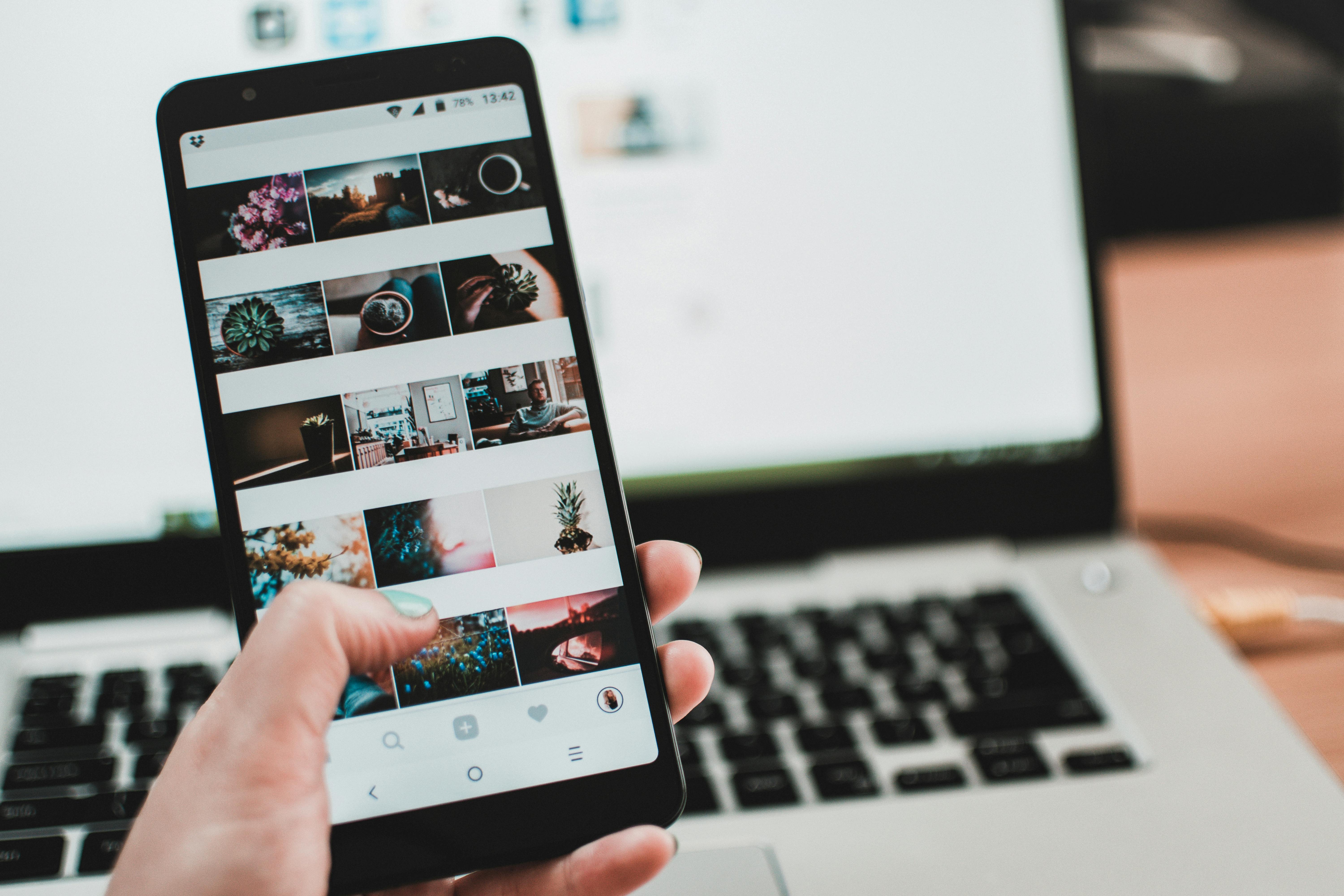
Tell me if this has happened to you before. You open your phone after a hard day at work and school, ready to relax. Preferred social media platform open? Yep. You stop scrolling to see your favorite creator talking about one of your interests, doing a comedy sketch, or exploring a cool new place and then – boom, you realize that this new video was just a sneaky ad the whole time. Yet, instead of feeling tricked, you catch yourself thinking, “Wait, that product actually looks pretty good. Maybe I’ll give it a shot.”
Like it or not, this is how a lot of content gets produced these days. Brands have started embracing social media and its influencers’ power over consumers. Gone are the days of sending a press release, hoping your news gets covered, and calling it a day. Now, a new opportunity has arrived in the form of influencers. Influencers are individuals who’ve organically cultivated a loyal following by consistently sharing engaging, informative, or entertaining content. Their genuine connection with audiences has established them as trusted voices with well… as the name suggests: influence. The gap between a brand and consumers has gotten closer because of them, and in a way that traditional media never could.
In this post, we’ll break down why influencers are now essential to modern PR, how they shape consumer trust, and what brands can do to fully leverage this game-changing strategy.
Rise of Influencer
When traditional media still ruled, brands utilized press releases, press coverage, and creative advertisements on TV, newspapers, and radio to get their products noticed. These strategies are still useful in a communications plan today. However, with the advancement of digital technology and an appetite from consumers for content that they consider to be authentic, traditional media has lost the kind of hold over the public it once had. Platforms such as TikTok, YouTube, Instagram, and Facebook are now a significant part of how people get their news and entertainment. Influencers are the driving force behind these platforms, shaping trends and public perception with their content. Smart brands recognize this shift and have begun to implement influencer marketing into their public relations efforts.
Authenticity and Trust
Who do you trust more to recommend you a product?: A friend or a company? Most people would say their friend. After all, a friend is disconnected from the brand. They don’t have an incentive to sell you a product (unless they’re selling you a pyramid scheme, if that’s the case, run away as fast as you can). Friends provide honest feedback based on their experience, and because you relate to the language they use and their opinions, their recommendations carry weight.
What if I told you that’s one of the big benefits of influencer marketing as well? Unlike traditional advertisements, which often feel detached and overly promotional, influencer content feels more like advice from a trusted friend. This aspect creates an air of authenticity. Audiences trust influencers more directly than brands because the audience relates to another person that they have already created a connection with and see as trustworthy as opposed to a faceless corporate entity. For example, if a fitness influencer talks about and advertises a particular pre-workout drink that helped them stay energized and focused before hitting the gym, their audience believes them because they see the influencer as a credible source who consistently shares their fitness journey, provides honest insights, and has no reason to promote something that doesn’t align with their lifestyle
Brands benefit by leveraging this trust and credibility to reach highly engaged audiences in an authentic way. While consumers might scroll past traditional corporate ads, they are far more likely to stop and listen when their favorite influencer discusses a product. This makes influencer marketing feel more engaging and less like a boring sales pitch.
Expanded Reach & Audience Engagement
With the rise of short-form content, influencers are more valuable than ever. Platforms like TikTok, Instagram Reels, and YouTube Shorts prioritize engaging videos from individual creators over traditional brand ads, making influencer partnerships a key strategy for visibility. Influencers provide PR professionals with the ability to effectively target and engage specific audience segments, even particular audiences they might have never thought would be as reachable as they are. Because influencers have created niche communities with shared interests, brands can tap into highly engaged groups that align with their products or services. For instance, a beauty brand looking to promote a new skincare line might partner with a self-care influencer who specializes in skincare routines, a news organization might collaborate with a political influencer, or an athletic wear brand might want an athlete to wear their attire.
PR teams should look out for what type of influencers they reach out to. Not all influencers serve the same purpose. Some have massive audiences and can introduce a brand to millions, while others have smaller but highly engaged followings that drive deeper trust and conversions. To maximize an influencer marketing strategy, brands must understand the different types of influencers and how each one impacts PR efforts.
It is commonly understood that we can fit the influencers into 3 main categories:

As you can see, each different type has a certain amount of an audience that has engaged with the creator enough to engage with their videos by following them, and they have different benefits to their influence. Macro-influencers, with their vast followings, offer widespread visibility ideal for brand awareness campaigns. In contrast, micro- and nano-influencers, despite smaller audiences, often deliver higher engagement rates and stronger personal relationships with their followers, ideal for targeted or localized campaigns.
Depending on a brand’s strategy and goals, an organization should utilize each so they can tailor their message that can connect with the different types of audiences that each type has accumulated.
Furthermore, the digital age has made it so that a particular influencer campaign can be measured for how much engagement it gets. Years ago, tracking how well a press release did or how many times an advertisement was being seen was more difficult. Now PR teams can use tools to measure audience engagement, conversions, and social listening, metrics that can be used to determine how well the campaign is doing and how it should proceed based on data.
Creating long-term relationships
Public relations is all about creating relationships, and this is no different when it comes to social media and influencer marketing. Brands should recognize the power influencers hold and focus on fostering long-term partnerships. Consistency in these collaborations builds ongoing awareness, strengthening a brand’s presence and trust within the influencer’s community. The more an influencer promotes a brand, the more these promotions feel genuine, and it builds a tighter bond between influencer, brand, and community.
Conclusion
In 2025, influencers play a big role in getting noticed online and are valuable assets to raising awareness of your brand. Their unique ability to engage target audiences, build trust, and drive engagement makes them invaluable assets in any communications strategy. Brands looking to stay relevant, authentic, and influential in the digital age must fully embrace influencer marketing, harnessing its power to build stronger, lasting relationships with their audiences. Those who have and will adapt will see success as the digital landscape moves ever closer to a full takeover of the mainstream culture.