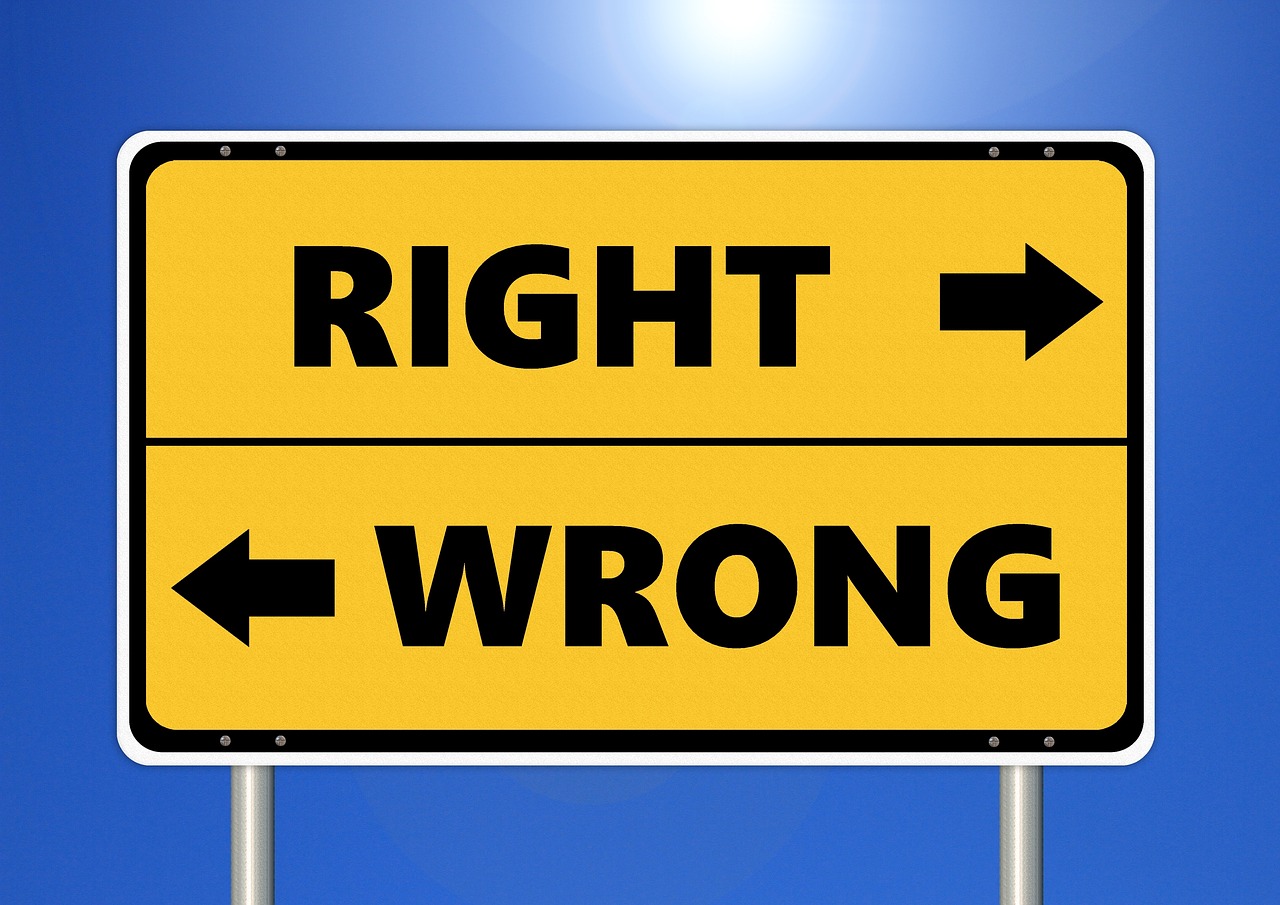
Funny enough, the field of public relations seems to have a public perception problem. A discipline that is supposed to connect with and build trust with the public is met with skepticism and even contempt. For an industry focused on managing reputations, it is ironic that it suffers from a tainted reputation. The public perceives PR as spinning narratives, ignoring responsibility, or flat-out propaganda.
Take, for example, the ongoing war between fans and artists against the ticketing giant Ticketmaster. In recent years, Ticketmaster has been synonymous with lackluster management from a business and public relations perspective. Big-name artists such as Bruce Springsteen, Drake, Taylor Swift, and Zach Bryan have all had major controversies with the company. For years, issues such as exorbitant fees, scalping, and a stranglehold on tickets have plagued the business’s reputation. A high-profile crisis Ticketmaster faced was the debacle with the pre-sale of Taylor Swift’s 2022 Eras Tour. A website crash, long wait times, and scalping made it extremely difficult for loyal fans to get tickets. The crisis response from Ticketmaster was less than stellar. Instead of handling the issue by addressing the issues and creating solutions, the company decided to blame high demand and technical glitches.. This failure to take accountability only compounded the situation, leaving fans feeling ignored and frustrated. It’s no wonder that Ticketmaster’s reputation remains tarnished, with its credibility and trust with the public still in question.
Instances like this are why PR has the cultural stereotype it seems to have and why the profession is portrayed in TV, movies, and the news media as an exercise in manipulation and deflecting accountability for money-interested actions. Major corporations that stumble during a crisis are the ones that receive the attention. Negative stories are the ones that make the headlines in our media ecosystem. What people don’t see, though, is how real public relations is conducted. When a company creates a good campaign. The subject of the campaign itself is what is talked about. Not the public relations work that went into it. This makes it harder for the public to see PR in a good light.
Despite whatever caricature public relations has, our job as communication professionals should and does rely upon adhering to a certain set of ethical standards. Upholding values such as honesty, transparency, and fairness is a way to counter these narratives and gain back credibility and trust from the public. We, as communicators, have a more important job than the public likes to give us credit for. It is we who have the ability to tell stories and disseminate information that they need and want to hear. The only way to do that is by regaining our credibility by showing them what we are really about through how we ethically operate.
Ethical PR: Honest and Transparent
Ethical operations in the PR world are characterized by honesty and transparency. The Public Relations Society of America (PRSA) has established an ethical code to guide communications professionals in their practice. The code outlines some core values: honesty, transparency, and fairness. These values serve as the foundation for building trust and credibility. Practicing these values can save an organization’s credibility and serve the public interest, which we are responsible for. Addressing an issue head on with empathy and honesty will save an organization a headache later on.
Long-term Practice = Long-term Results
Now, with social media and the rest of the digital media sphere, it can be easier and more tempting for individuals or organizations to be manipulative and unethical. Creating false digital advertisements or flooding your company’s page with fake reviews might be good in the short term, but doing so can hurt a reputation quickly and one that might not ever come back. That is why PR should be practiced ethically for long-term results instead.
This profession is about building long-term relationships with the public. Everything you do as a PR professional is aimed at long-term success. Creating a culture of ethical practices helps ensure that you remain loyal to the public and that they remain loyal to you. Think of it like lifting weights: when you commit to a consistent regimen, you’ll gradually be able to lift heavier and see your muscles grow. Similarly, consistently prioritizing ethical practices will make your organization stronger and more resilient. PR professionals must prioritize transparency, fairness, and accountability, empowering the public with truthful information to help them make informed decisions.
Changing the Narrative.
Yes, PR is often brought up in the wrong light. It is seen as manipulative and sort of bureaucratic in its nature. A category of work meant for those who want to spin a narrative for corporate gain. But this doesn’t mean thats what it is or is supposed to be. By creating ethical spaces built around honesty and transparency, those within the public relations profession can not only protect their own reputations or their client’s reputations, but they can protect a profession that is needed to tell important narratives that people need to hear and connect people through different types of media. When you build your work upon an ethical foundation as a public relations professional, your work will stand taller and longer.